
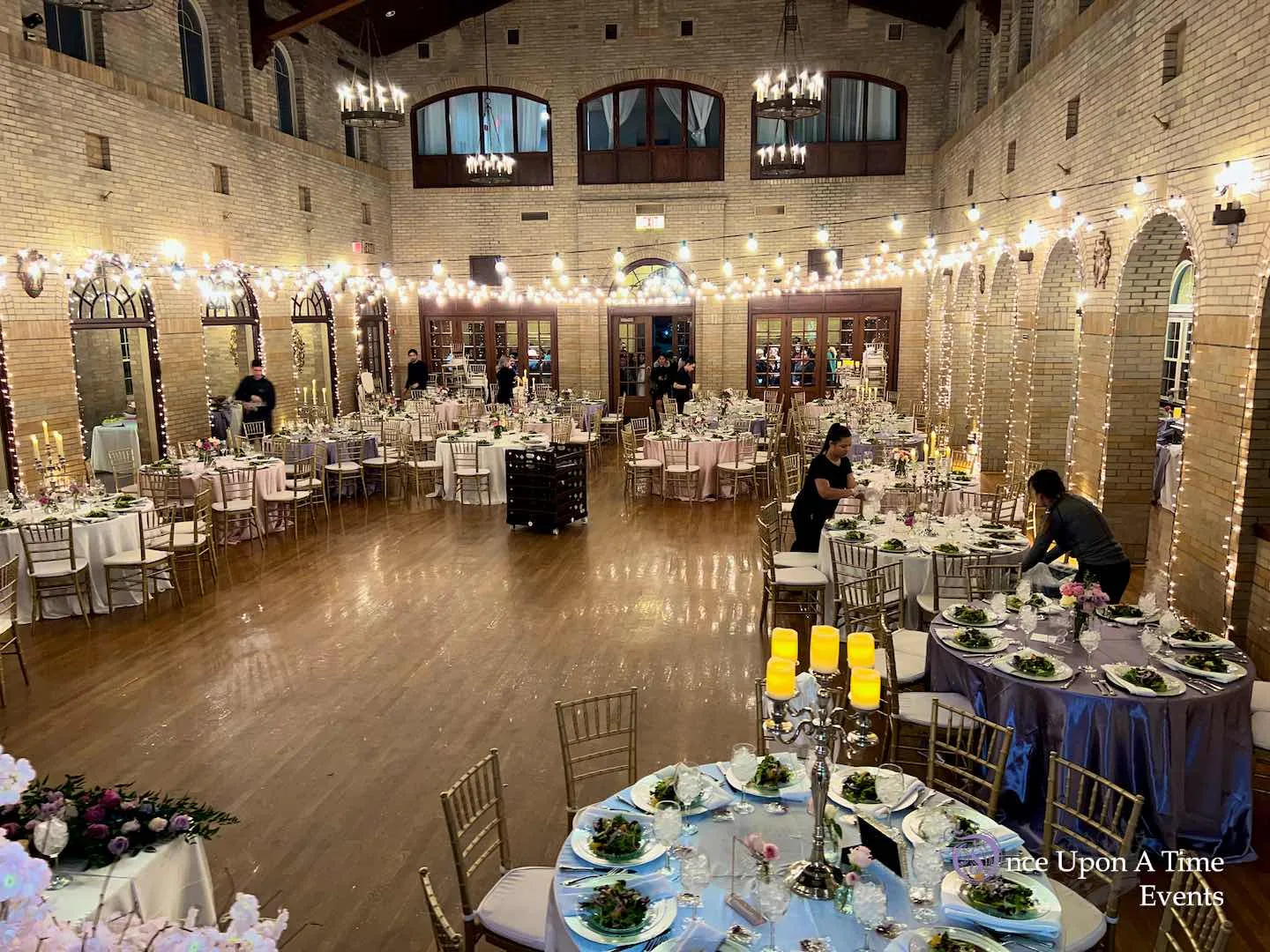
If you’ve started researching wedding vendors in Maryland, you’ve probably run into two job titles that sound like the same thing: wedding planner and day-of wedding coordinator. Couples ask us about the difference all the time — and honestly, the wedding industry hasn’t done a great job of explaining it. The titles get used interchangeably, sometimes even on the same venue contract, and “day-of” is one of the most misleading names in the business.
We’ve been planning and coordinating weddings across Maryland, Pennsylvania, Virginia, West Virginia, and DC for over a decade. Here’s the straight answer on what each role actually does, who needs which, and the costly assumptions we see couples make every season.
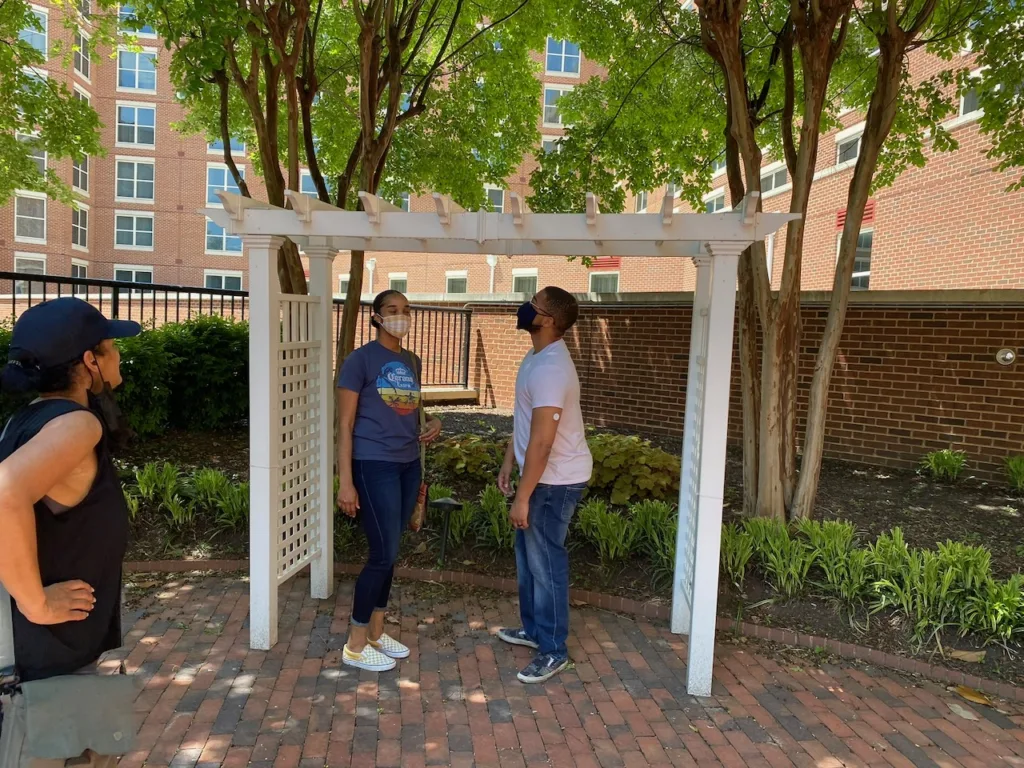
What a Wedding Planner Actually Does
A wedding planner is your partner from the beginning. Most of our full-planning couples hire us 12 to 18 months out — sometimes the week after they get engaged, sometimes right after they tour their first venue and realize how much there is to decide.
Here’s what full wedding planning covers:
- Budget building and management. Not just a spreadsheet — real guidance on where your money goes furthest in the Maryland market, and where couples typically overspend.
- Vendor sourcing and vetting. We recommend photographers, florists, caterers, DJs, and every other vendor from a roster we’ve worked with personally. Then we help you compare proposals and negotiate contracts.
- Design and décor direction. The overall look — color palette, floral direction, tablescapes, ceremony design — developed as one cohesive vision instead of a dozen separate Pinterest boards.
- Logistics for the entire engagement. Venue walkthroughs, tasting appointments, design meetings, and a master timeline that stretches from booking to send-off.
- Wedding-day execution. Yes — a full planner also runs your wedding day. That’s included, not extra.
Think of it this way: the planner builds the wedding. Everything from the first idea to the last dance.
Learn more about our full wedding planning services.
What a Day-of Wedding Coordinator Actually Does
Here’s the industry’s worst-kept secret: “day-of” coordinator is a misnomer. No professional coordinator worth hiring shows up for the first time on your wedding morning. The real work starts 4 to 6 weeks before the wedding — which is why many of us call it “month-of” coordination.
A day-of coordinator is for couples who’ve done the planning themselves and want a professional to execute it. Here’s what that looks like:
- Final vendor confirmation. About a month out, your coordinator collects every contract, confirms arrival times, delivery windows, and setup requirements with each vendor, and catches the gaps — the florist who thinks setup starts at 2 but the venue doesn’t open until 3, that kind of thing.
- A minute-by-minute wedding day timeline. Not the rough outline you sketched — a detailed production schedule distributed to every vendor, the wedding party, and family.
- Rehearsal direction. Someone has to run the rehearsal besides your officiant. That’s your coordinator.
- Wedding-day management. Vendor arrivals, setup oversight, cueing the ceremony, managing the reception flow, handling the problems you never hear about, and overseeing breakdown.
Think of it this way: the coordinator executes the plan you built. They don’t choose your vendors or design your wedding — they make sure the wedding you designed actually happens the way you imagined it.
Here’s what that coordination looks like at a real Maryland wedding: Cheryl & Jeb’s wedding in Silver Spring.
See what’s included in our day-of coordination services.
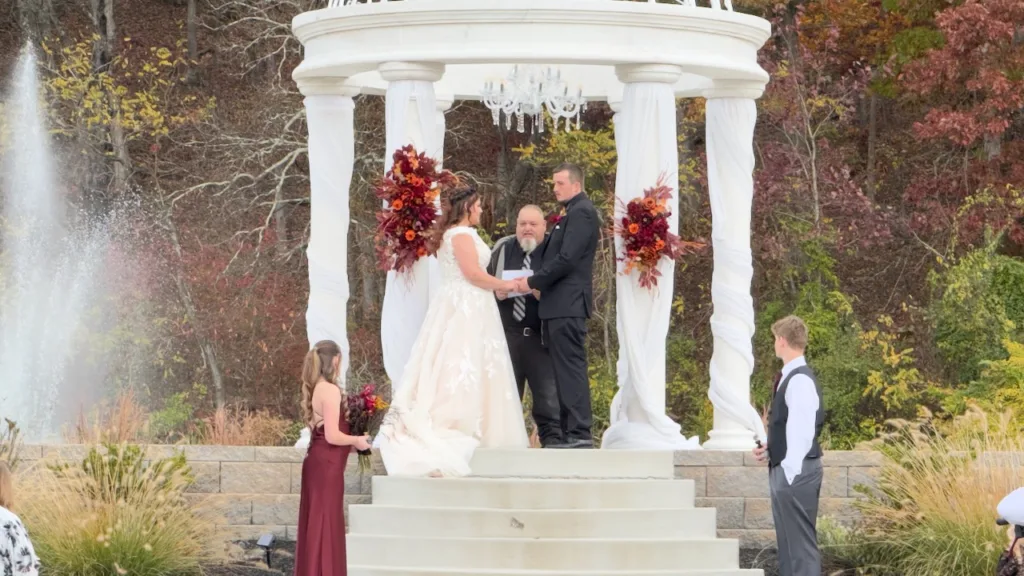
The Side-by-Side Comparison
| Wedding Planner | Day-of Coordinator | |
|---|---|---|
| When they’re hired | 12–18 months before the wedding | 4–6 weeks before the wedding |
| Chooses vendors | Yes — sourcing, vetting, negotiating | No — works with vendors you’ve already booked |
| Designs the event | Yes — full design direction | No — executes your existing design |
| Manages the budget | Yes, from day one | No |
| Builds the timeline | Master timeline for the whole engagement | Detailed day-of production schedule |
| Runs the wedding day | Yes | Yes — this is the core of the job |
| Best for | Couples who want expert guidance through every decision | Couples who love planning but don’t want to work on their wedding day |
The Venue Coordinator Myth (Read This Before You Skip Hiring One)
This is the single most expensive misunderstanding we encounter. Many Maryland venues include a “coordinator” or “event manager” — and couples assume that person will run their wedding day. They won’t. That’s not their job.
A venue coordinator works for the venue. Their responsibilities are the venue’s property, the venue’s staff, the venue’s timeline for flip and breakdown, and the venue’s liability. They will not:
- Confirm your outside vendors or manage their arrivals
- Build your personal wedding-day timeline
- Run your rehearsal (most won’t)
- Bustle your dress, pin your boutonniere, or calm your mother
- Solve problems with vendors the venue didn’t hire
We’ve coordinated weddings at dozens of venues across the DMV, and we say this with respect for venue teams: they are excellent at their jobs, and their job is the building — not your wedding. If you want someone whose only loyalty on your wedding day is to you, that’s an independent coordinator.

So Which One Do You Need?
Hire a full wedding planner if:
- You’re feeling overwhelmed and don’t know where to start
- You’re planning from out of town (huge in the DMV — so many of our couples live elsewhere)
- Your careers leave no time for a part-time planning job
- You want a cohesive, professionally designed event
- Your wedding is large, complex, or multi-day
Hire a day-of coordinator if:
- You genuinely enjoy planning and have it under control
- Your vendors are booked and your vision is set
- You just don’t want to spend your wedding day answering vendor calls, solving problems, and watching the clock
The honest truth: the couples who need a day-of coordinator most are often the ones who think they don’t. If you’ve spent a year planning every detail yourself, the last thing you want is to spend your wedding day managing those details instead of living them. Handing the production schedule to a professional in the final weeks is what lets you actually be present.
One more thing — whichever you choose, book early. Coordinators take a limited number of weddings per date (we can only be in one place at a time), and prime Saturdays in Maryland book 9 to 12 months out. If you’re planning a 2027 wedding, here’s exactly when to book every vendor.
See exactly what’s included in our day-of coordination, from the 4–6 week handoff through the last dance.
The Bottom Line
A wedding planner builds your wedding from the ground up. A day-of coordinator takes the wedding you’ve built and runs it flawlessly. Neither is “better” — they’re different services for different needs. The mistake isn’t choosing the wrong one; it’s assuming your venue covers it, or discovering a month before the wedding that someone needs to be in charge and there’s no one to call.
Planning a Maryland wedding and not sure which level of help fits? We’ve guided hundreds of couples through this exact decision over the past decade. Reach out for a consultation — we’ll give you an honest recommendation based on where you are in planning, not a sales pitch. Call or text us at (240) 440-9134, or send us a message through our contact page.


